Who we are
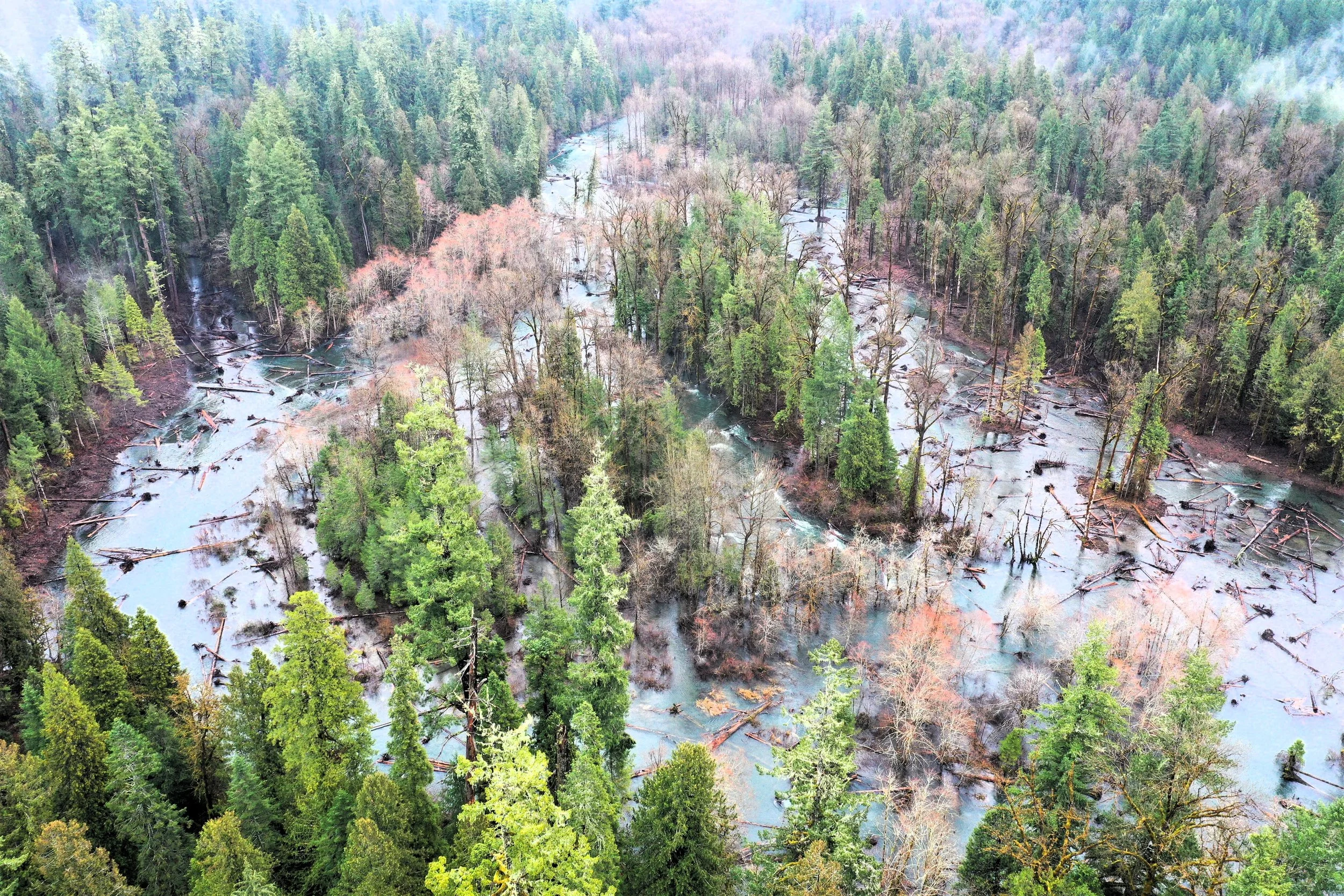
REVIVE is pioneering a new vision of restoration – one that is process-based and ecosystem-focused. We believe that true restoration goes beyond static solutions and embraces the natural dynamics of riverscapes, allowing water, sediment, and biota to shape resilient self-sustaining systems.
Our mission is to revive riverscapes and watersheds to their maximum potential by restoring natural processes, reconnecting rivers with their floodplain, and fostering biodiversity. We integrate the best-available science and community-driven collaboration to create solutions that work with nature, not against it.
Through our work, we aim to improve water quantity and quality, diversify habitat, restore key ecosystem services, and build climate-resilient working landscapes that support both people and wildlife. By rethinking restoration as an ongoing partnership with natural systems, we are shaping a future where rivers thrive – free flowing, dynamic, and full of life.
Our Team
Kate Meyer
Prior to founding REVIVE, Kate worked for the US Forest Service (USFS) on the Willamette National Forest for over 20 years, serving as project lead or co-lead on large-scale valley reconnection projects. She was a member of the USFS Pacific Northwest Region’s Restoration Assistance Team for 15 years, traveling all over Oregon and Washington to assist with restoration. She has also been an integral member of a team of USFS restoration practitioners that are transforming the science and practice of river restoration at a national and international scale and pioneering restoration approaches, tools, techniques, and monitoring strategies. She was on the Oregon Watershed Enhancement Board’s Region 3 Technical Grant Review Team, the Western Division American Fisheries Society Riparian Challenge Award Scoring Committee, and several restoration steering committees and technical teams in Oregon and Washington. In 2020, she received the USFS National Rise to the Future Professional Excellence in Fish Management Award for her contribution to aquatic restoration, specifically recognizing her work on valley reconnection projects. To date, Kate has designed thirteen valley-reset to Stage 0/8 projects and implemented ten; co-led or participated in several Stage 0 training workshops; co-authored three peer-reviewed publications on Stage 0; and given countless presentations and project tours. Kate is passionate about progressing the valley-reset restoration practice and has founded REVIVE to push the restoration industry forward.
Owner, Aquatic Ecologist
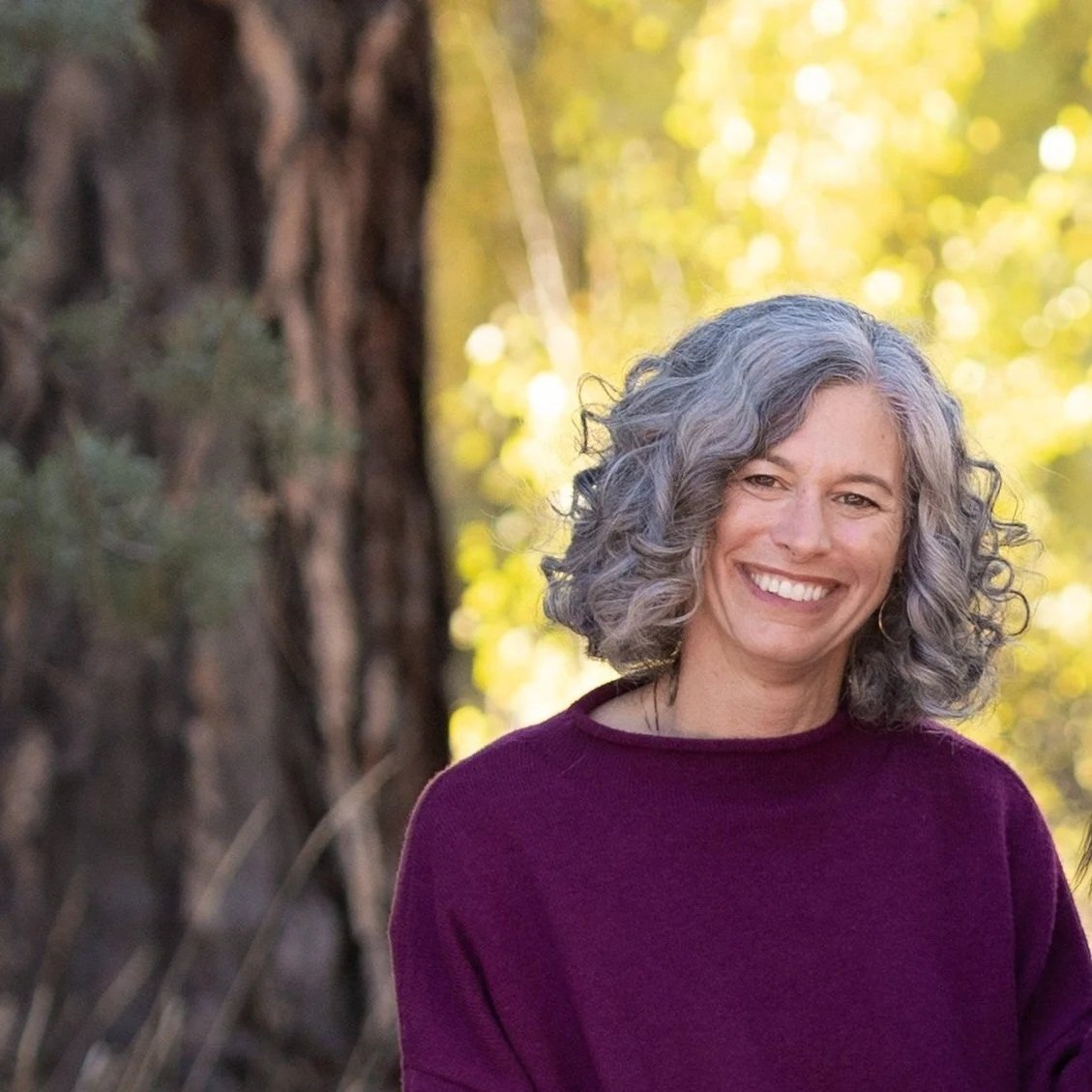
Cari Press
Cari has ~30 years of experience in hydrology and natural resources conservation in the PNW. As a US Forest Service Hydrologist, she has a broad, interdisciplinary understanding of watershed management. As one of the early adopters of process-based valley reconnection, Cari has been on the front-end of the development and monitoring of this restoration technique. She has served as the co-technical lead on large-scale, process-based valley reconnection (Stage 0) projects. She was the co-team lead for project design, implementation, and monitoring design and played an integral role in planning, permitting, contracting, and wood sourcing for many of the Whychus Creek projects. She was a member of the USFS Pacific Northwest Region’s Restoration Assistance Team, whose mission is to assist Forests in Oregon and Washington with design and implementation of watershed restoration projects. She was part of a cadre of restoration practitioners that taught a week-long stream restoration course for several years. Cari has successfully completed 4 valley-reset to Stage 0/8 projects, and provided design, implementation, or mentorship assistance on numerous others. She has presented her work in several stream restoration classes or Stage 0 workshops and at various conferences. Cari left the USFS in May 2022 to care for her children and is now continuing her river restoration career with Revive.
Fluvial Geomorphologist
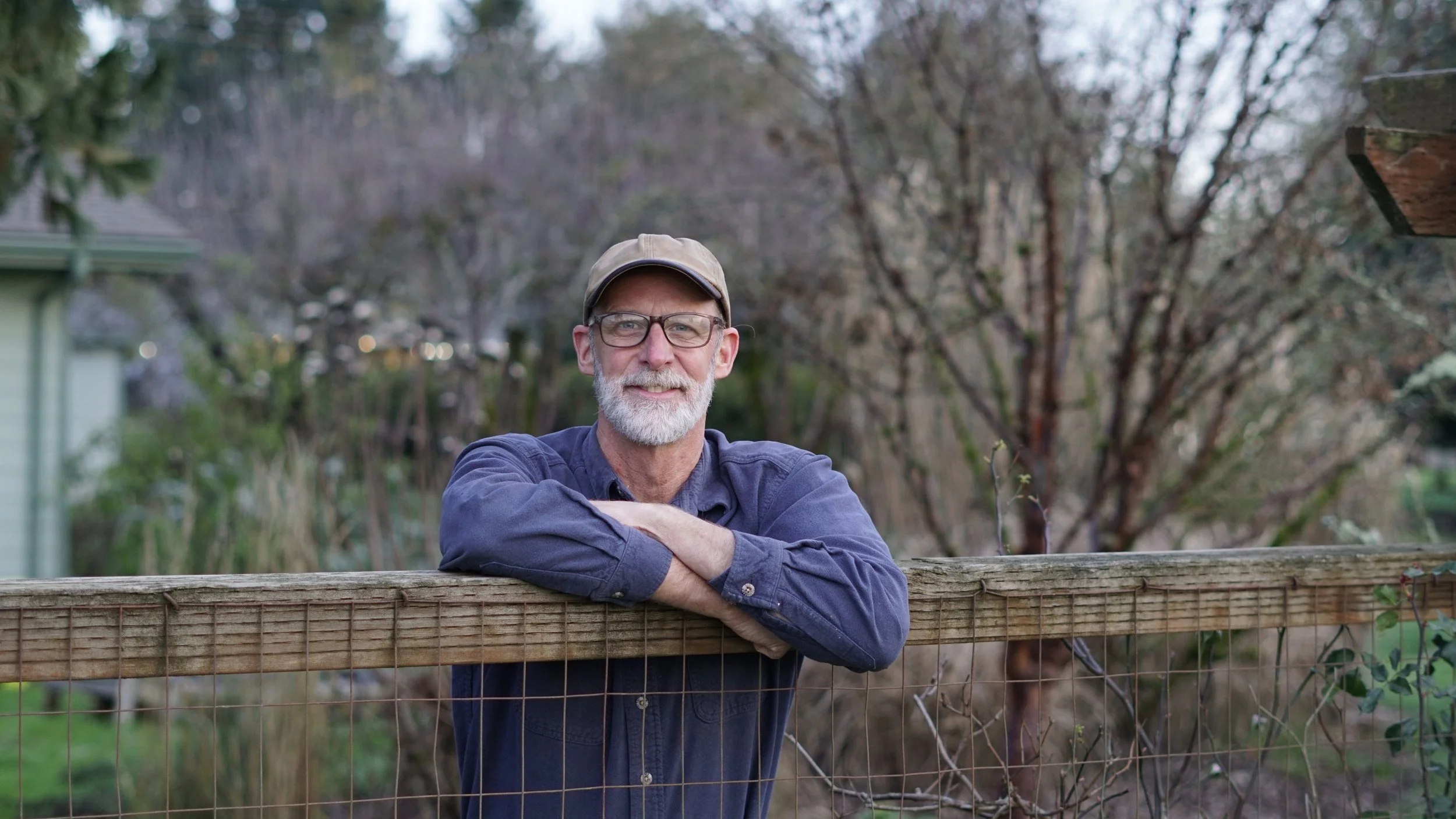
Johan has over 25 years of experience in hydrology and watershed restoration in the USDA Forest Service. During that time, he worked with teams to plan, design and implement projects such as road decommissioning, helicopter instream wood placement, wet meadow restoration and most recently, large-scale valley reconnection (Stage 0/8). He was a founding member of the USFS Pacific Northwest Region’s Restoration Assistance Team, visiting over 50 project sites on 17 National Forests in Oregon and Washington. Additionally, he reviewed grant applications for the Oregon Watershed Enhancement Board’s Region 3 Technical Grant Review Team for 16 years. In the McKenzie River sub-basin, he worked with a partnership to complete work on over 450 acres of high value, alluvial valley habitat to benefit of ESA-listed species, fire recovery, and improve resilience.
Hydrologist
Johan Hogervorst